Jungheinrich deploys predictive AI models from Monolith for the development of batteries
Jungheinrich uses Monolith’s AI-powered engineering software to predict the performance metrics of new battery technologies at an earlier stage, validate technical decisions sooner and reduce the need for extensive physical testing.
- Predictive modelling based on early battery test data will accelerate the evaluation of key performance indicators
- Data-driven AI approaches can accelerate R&D processes by 20% to 80%, according to research from McKinsey
- Streamlined physical test campaigns through validated predictive models
Hamburg/London – Jungheinrich, one of the world’s leading manufacturers of industrial equipment, is accelerating the development of battery-powered industrial trucks by modelling battery test data. To this end, the company is collaborating with Monolith, a provider of AI software for data-driven engineering and validation processes.
Given the rapid pace of development in battery technologies, the reliable assessment of battery performance and its integration into new vehicle platforms is becoming an increasingly complex engineering and validation task. As part of the collaboration, Jungheinrich’s engineers analyse early battery test data and use Monolith’s AI-powered engineering tools to derive predictions for product-relevant performance metrics. To this end, machine learning models are trained and validated using real-world test data to gain reliable insights at an early stage for faster, more informed technical decisions, whilst simultaneously reducing the scope of physical test campaigns.
Jungheinrich carries out battery tests throughout the development process, generating significant amounts of technical measurement and test data. In the project, these datasets are transferred to Monolith’s engineering tools to train and validate predictive AI models.
As Jungheinrich expands its electric product portfolio, the collaboration aims to optimise the evaluation and selection of battery technologies by transforming test data into predictive models. The use of AI in engineering is gaining importance as manufacturers face growing pressure to deliver more sustainable products whilst simultaneously reducing development times and costs. Research by McKinsey suggests that AI-supported approaches could accelerate R&D processes in complex manufacturing industries by 20 per cent to 80 per cent.
Monolith is providing AI-powered engineering software designed to reduce the need for prototypes and test campaigns, thereby enabling engineering teams to focus on critical design and validation issues. Furthermore, Jungheinrich will gain access to a central engineering intelligence platform where teams can securely access test data, model knowledge and recommendations for future experiments from various development programmes. The scalable solution helps to make decisions earlier in the development cycle whilst simultaneously reducing costs and testing effort. “As we continue to expand our range of electric industrial trucks, the ability to evaluate battery technologies quickly and reliably is crucial to maintaining our competitive advantage. By working with Monolith, we can make better use of our test data to identify critical battery performance characteristics earlier and make smarter technical decisions that support the next generation of more efficient, sustainable products,” says Dr Andreas Münz, Head of HW Testing, Corporate Infrastructure & Test Methods, Jungheinrich AG.
“Electrification is key to future-proofing the industrial equipment sector, and optimising battery performance is now a crucial factor in determining how quickly new products can be developed and brought to market. By using AI to analyse test data, we are helping Jungheinrich’s teams to transform complex battery datasets into actionable insights – which in turn enables them to make faster and more confident decisions whilst reducing their reliance on costly physical testing,” said Dr Richard Ahlfeld, CEO and Founder of Monolith.
About Monolith:
Monolith is an industrial AI company helping engineers build better products, faster. It turns complex engineering, test, and operational data into models that enable faster learning, smarter decisions, and fewer physical iterations. Monolith has worked with leading automotive and aerospace companies, including Mercedes-Benz and Nissan, as well as OEMs and motorsport teams. The company is backed by CoreWeave, whose 2025 acquisition reflects growing demand for AI in industrial innovation.
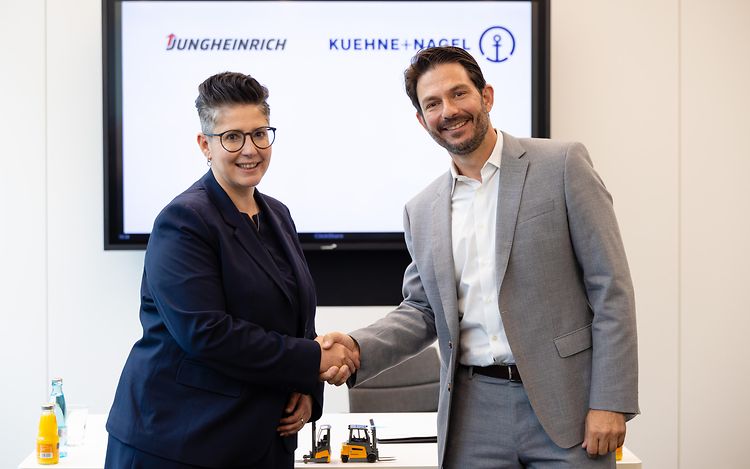
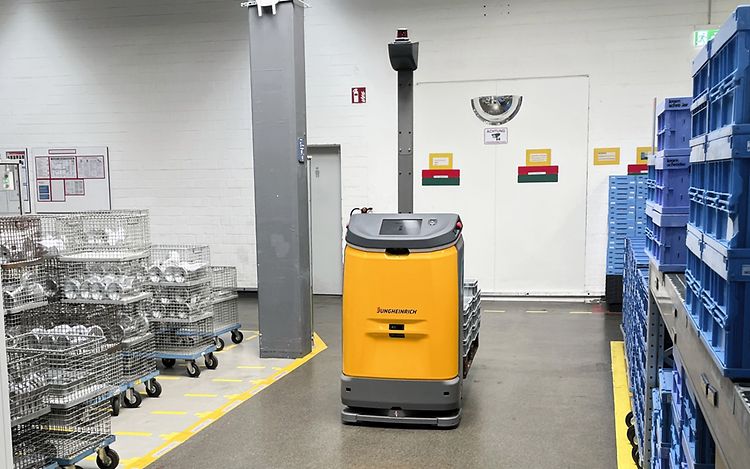
Picture: Jungheinrich is able to evaluate battery performance more quickly using Monolith’s predictive AI models, thereby reducing development and testing costs.