The story behind 100,000 trucks: How Jungheinrich JUNGSTARS are made
100,000 remanufactured trucks – Jungheinrich’s Used Equipment Centre in Dresden (Germany) recently celebrated this milestone. But how does a used forklift truck actually become a JUNGSTARS? We take a look behind the scenes.
The key findings:
- 100,000 remanufactured trucks: The Jungheinrich Used Equipment Centre in Dresden has reached a special milestone.
- From used truck to JUNGSTARS: A look behind the scenes shows the steps each vehicle undergoes within the industrial remanufacturing.
- Sustainability with impact: Through remanufacturing, up to 99 per cent of raw materials can be reused and recycled, at the same time up to 80 per cent CO₂e can be saved compared to new production.
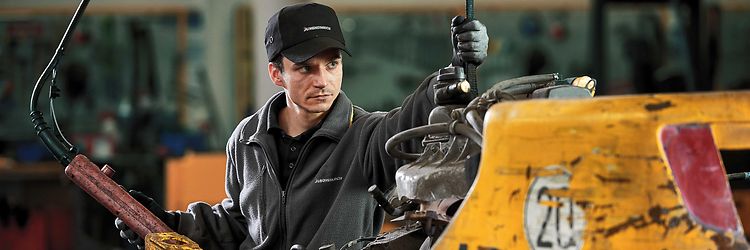
At the Jungheinrich Used Equipment Centre in Dresden, used industrial trucks have been remanufactured according to a standardised industrial process since 2006. Each truck undergoes an extensive quality process before it is ready for its second use by customers as a JUNGSTARS truck.
To mark the 100,000th remanufactured vehicle, Michael Heuer, Head of Customer Service at the Jungheinrich Used Equipment Centre in Dresden, explains how a used truck is turned into a high-quality vehicle.
Before we talk about remanufacturing in general, you have just reached a special milestone: the 100,000th remanufactured truck. What does this mean to you?
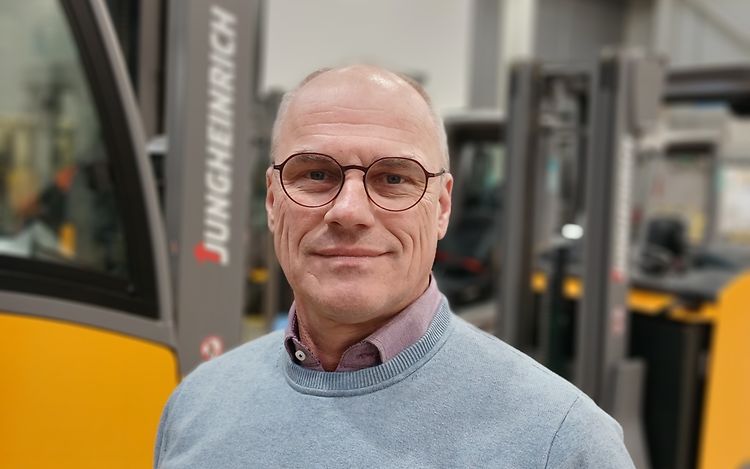
Michael: It makes us very proud. Behind every single vehicle are many individual process steps and a great deal of expertise. When you consider that we have now made 100,000 vehicles ready for their second use, it shows not only how much experience we have in the team, but also how much we have achieved for the environment.
A lot happens behind the scenes before a used truck becomes a JUNGSTARS. Please take us through the process. What is the first thing that happens when a used truck arrives at your site?
Michael: First, we take a very close look at the vehicle. During the incoming inspection, we record its condition. And that can vary greatly. We have customers who work with paint, for example, or even with animals, as on a farm. You can clearly see that on the vehicle. But it is not just about appearance. Of course, we also assess safety-relevant components and parts subject to wear. This forms the basis for the entire remanufacturing process.
And what happens next?
How do you decide which parts can remain?
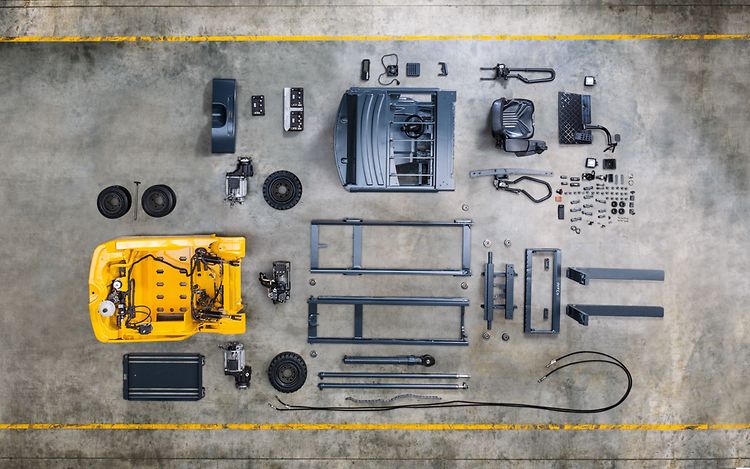
Michael: Every component is inspected. Depending on its condition, parts are remanufactured or replaced. Certain assemblies, such as gears, motors or lift masts, undergo extensive reworking. Wear parts are replaced. In the end, only one thing matters: the vehicle must meet our quality requirements.
And then it becomes about appearance, right? At what point does the truck start to look like a JUNGSTARS?
Is everything then reassembled?
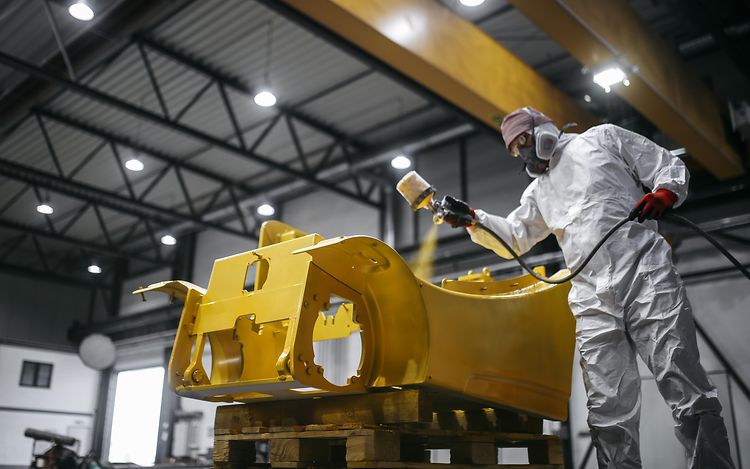
Michael: That’s right. In this step, the chassis, mast and all components are reassembled. Step by step, a complete truck is created again. For many colleagues, this is one of the best moments in the entire process.
And after that, can we officially call the truck a JUNGSTARS?
Michael: Only after the final inspection. Every vehicle we remanufacture is thoroughly tested before it leaves the plant. Only once all inspections have been passed does it become a JUNGSTARS. Quality and safety always come first. We are personally responsible for that too. Every JUNGSTARS receives a personalised quality seal before it goes to the customer.
That sounds like an elaborate process. But is it also worthwhile from a sustainability perspective?
Michael: Yes, absolutely. By preserving and remanufacturing existing vehicles, up to 99 per cent of the raw materials used can be reused or recycled. In terms of resources, that is a tremendous achievement. At the same time, up to 80 per cent CO₂e can be saved compared with new production. This means remanufacturing makes an important contribution to the circular economy in material handling.
Further information about JUNGSTARS is available here: Used forklifts Jungheinrich | As good as new